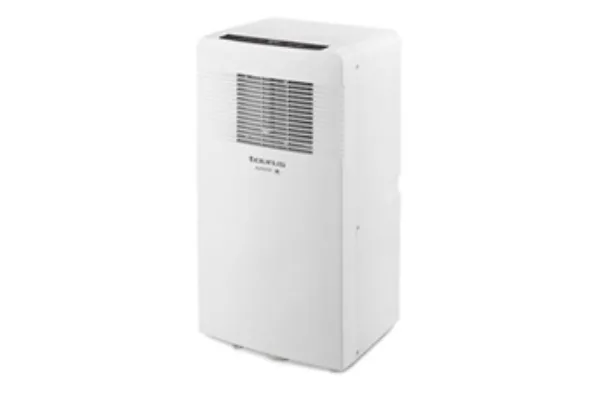
Taurus
AC 3100 KT
Portable monoblock
10 500 BTU22 m²65 dBA
257 €View on Amazon
26 selected models, manufacturer-sourced specs — filter by room, noise and budget, no invented data.
26 models
Taurus
Portable monoblock
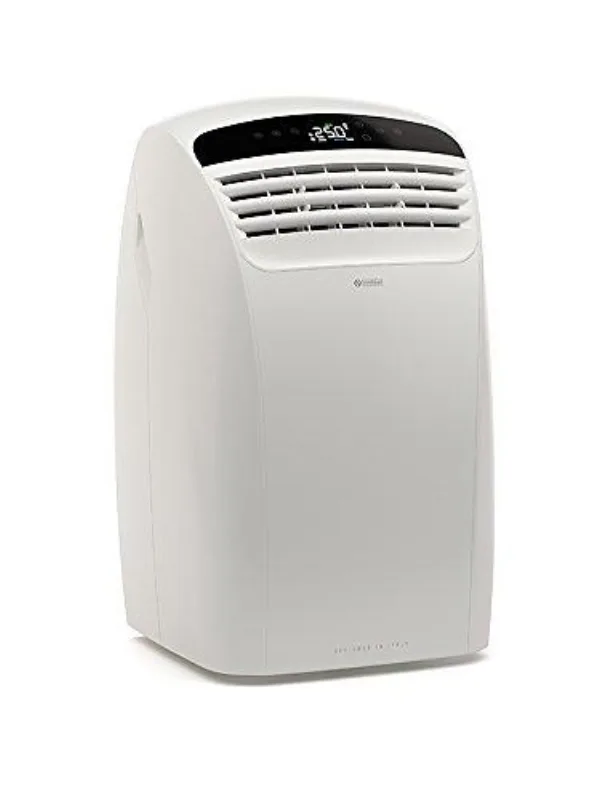
Olimpia Splendid
Portable monoblock
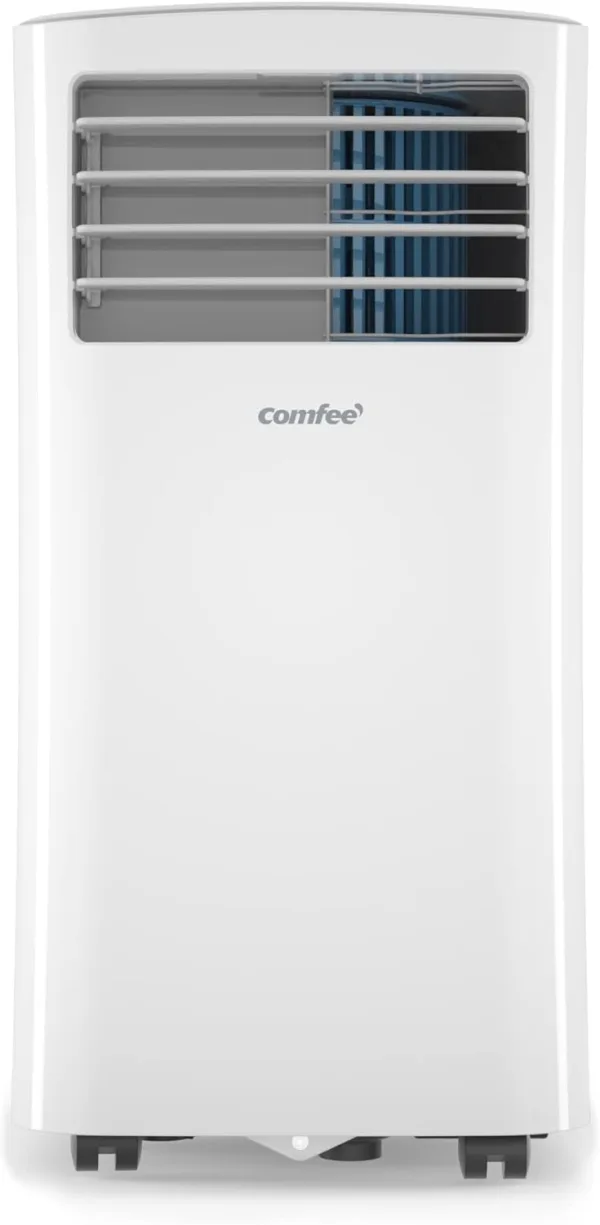
Comfee
Portable monoblock
Comfee
Portable monoblock
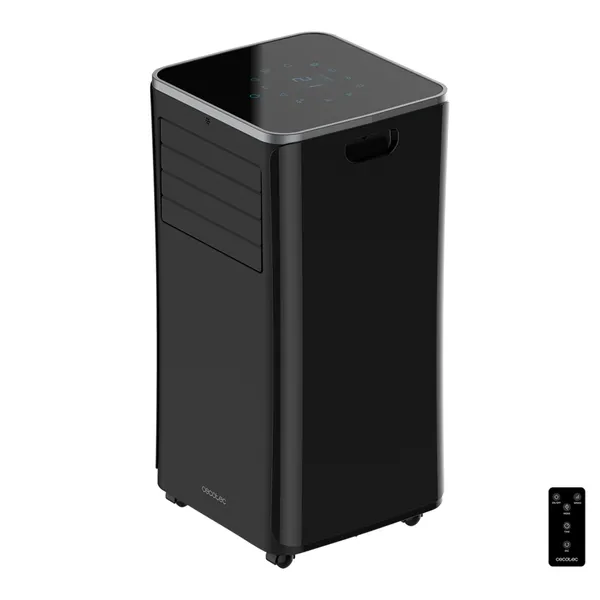
Cecotec
Portable monoblock
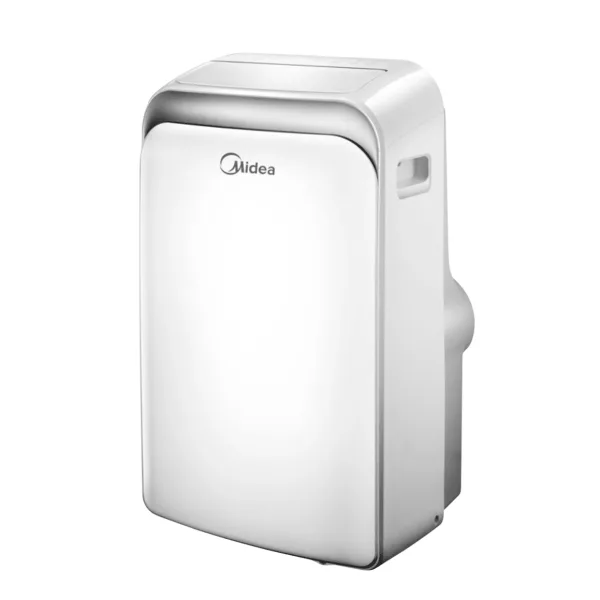
Midea
Portable monoblock
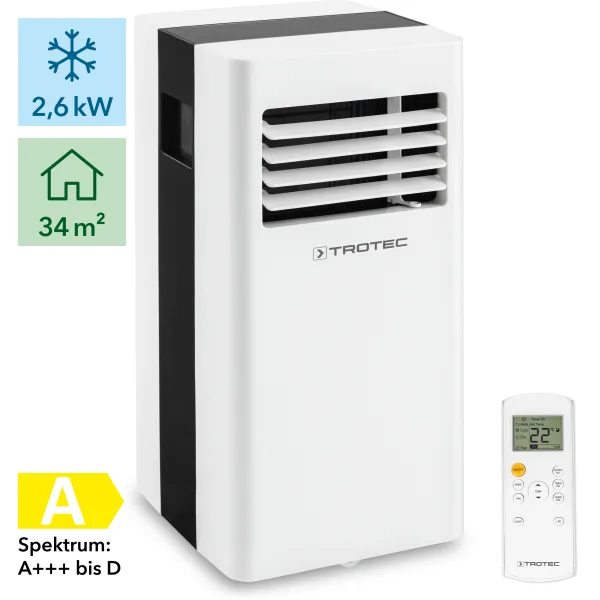
Trotec
Portable monoblock
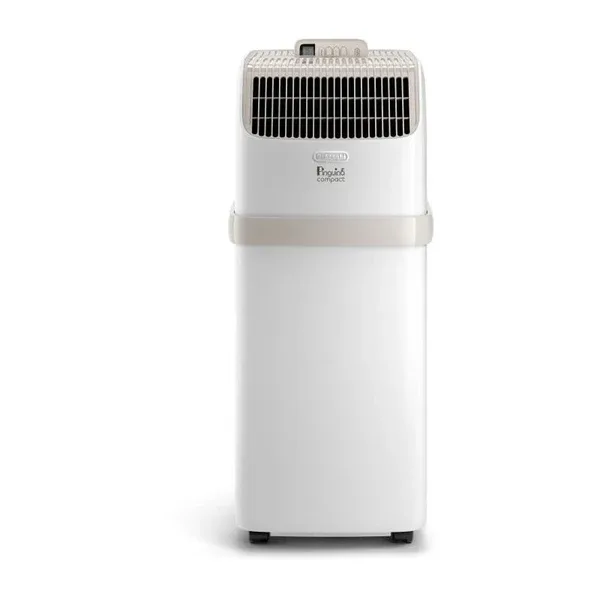
De'Longhi
Portable monoblock
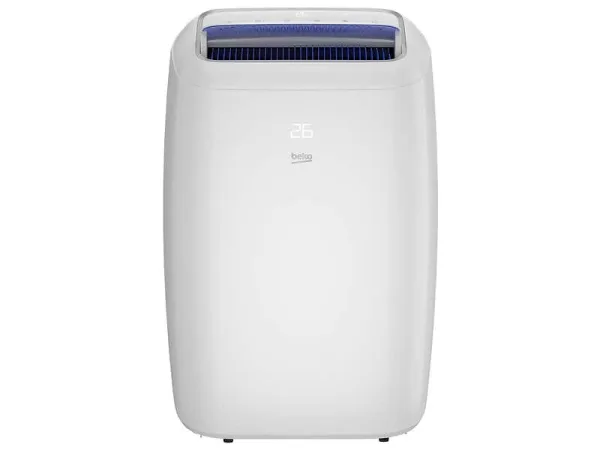
Beko
Portable monoblock
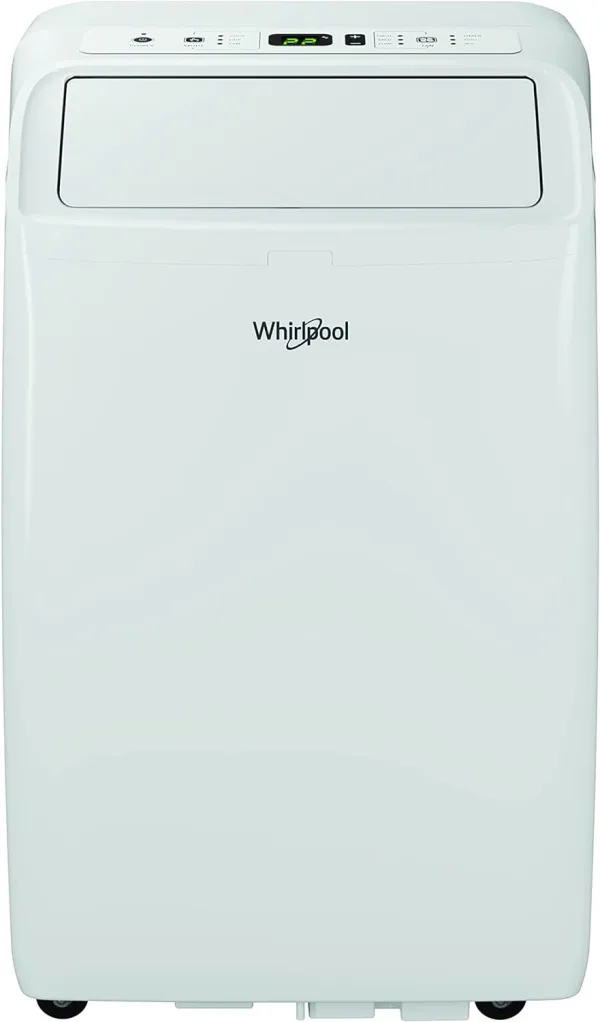
Whirlpool
Portable monoblock
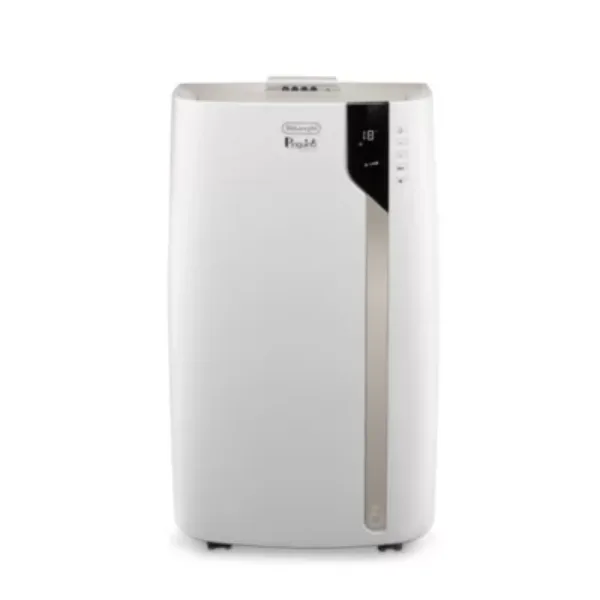
De'Longhi
Portable monoblock
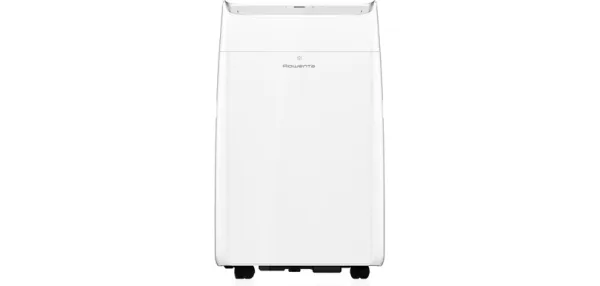
Rowenta
Portable monoblock
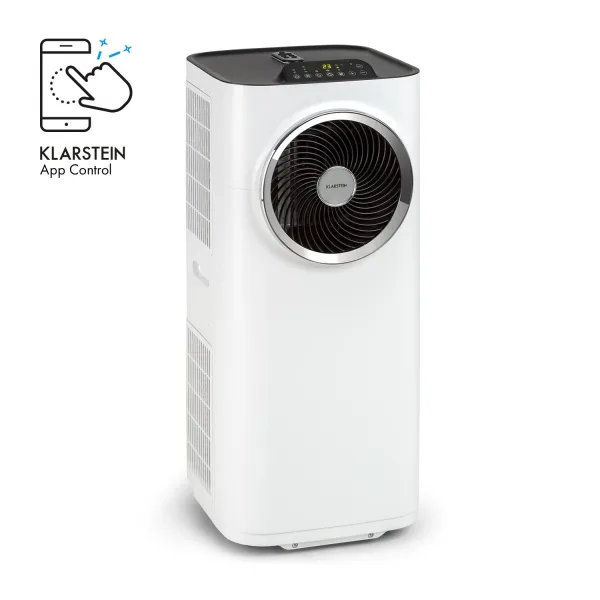
Klarstein
Portable monoblock
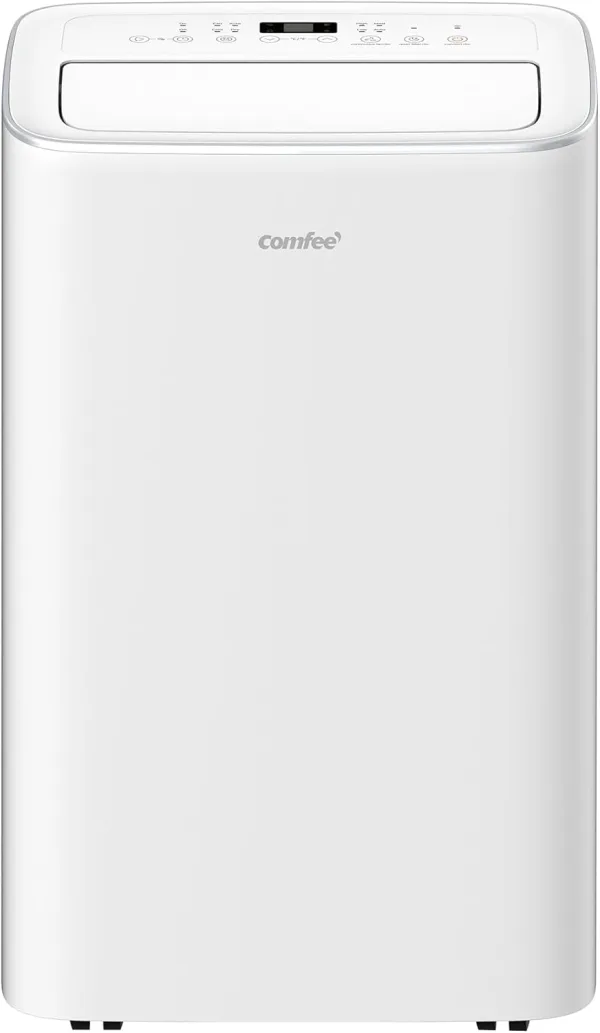
Comfee
Portable monoblock
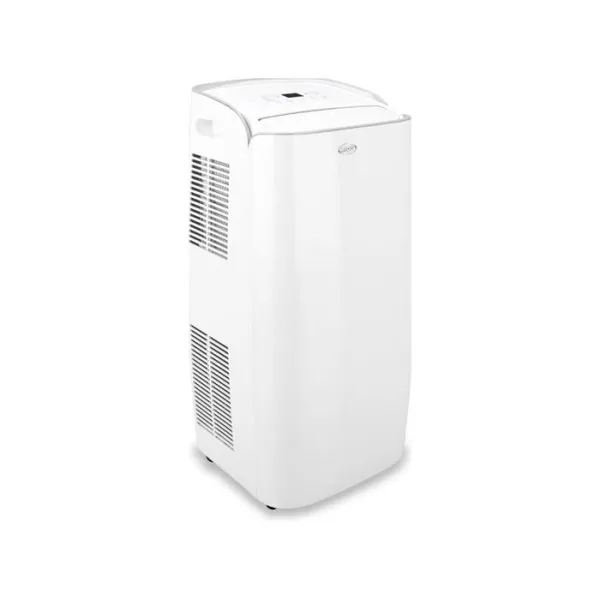
Argo
Portable monoblock
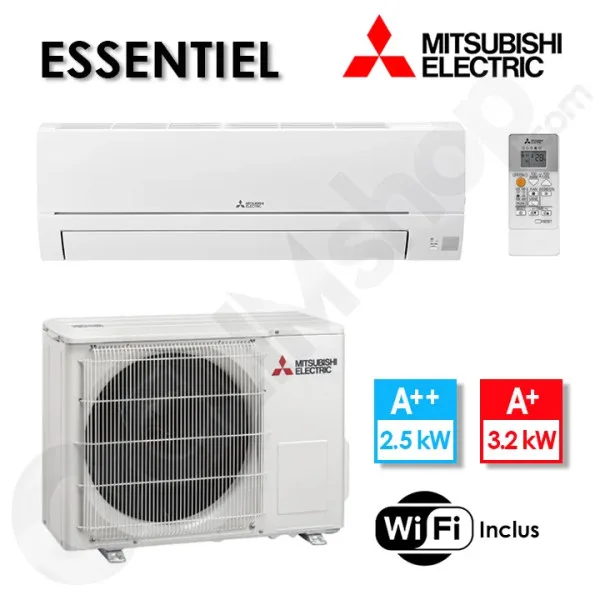
Mitsubishi Electric
Fixed split (with installation)
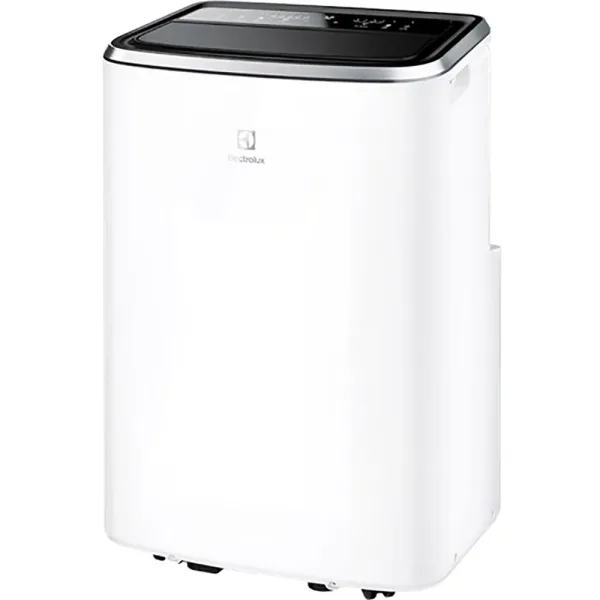
Electrolux
Portable monoblock
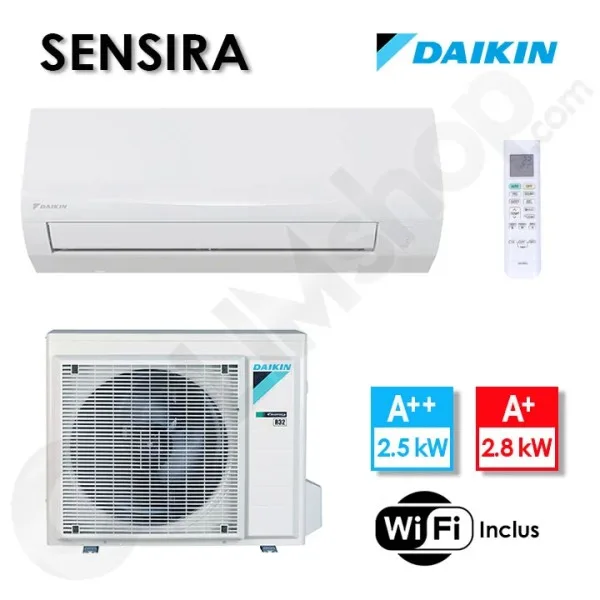
Daikin
Fixed split (with installation)
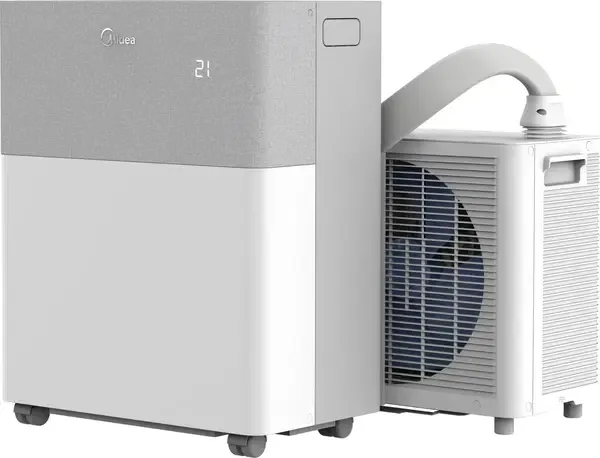
Midea
Portable split
1 store in stock
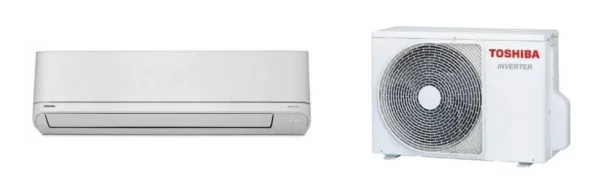
Toshiba
Fixed split (with installation)
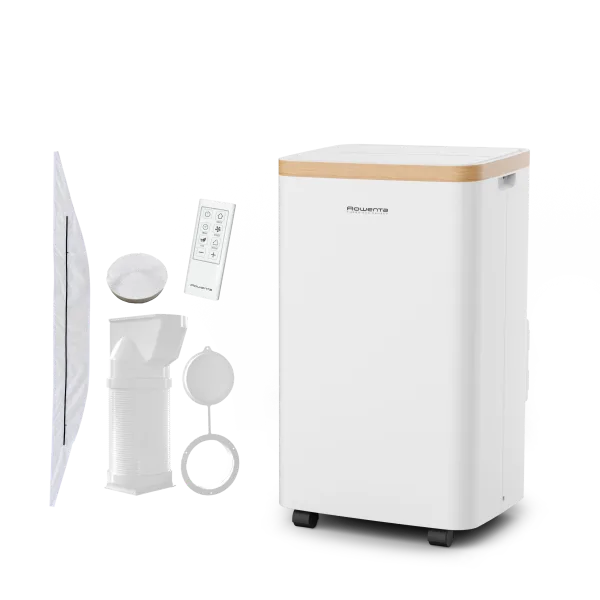
Rowenta
Portable monoblock
De'Longhi
Portable monoblock
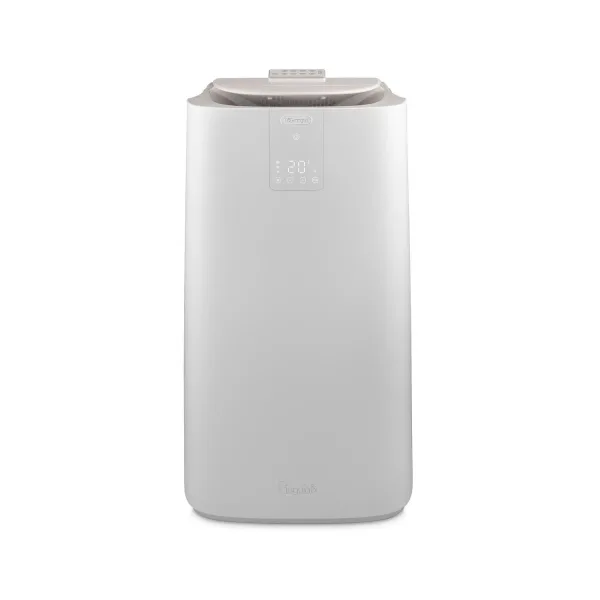
De'Longhi
Portable monoblock
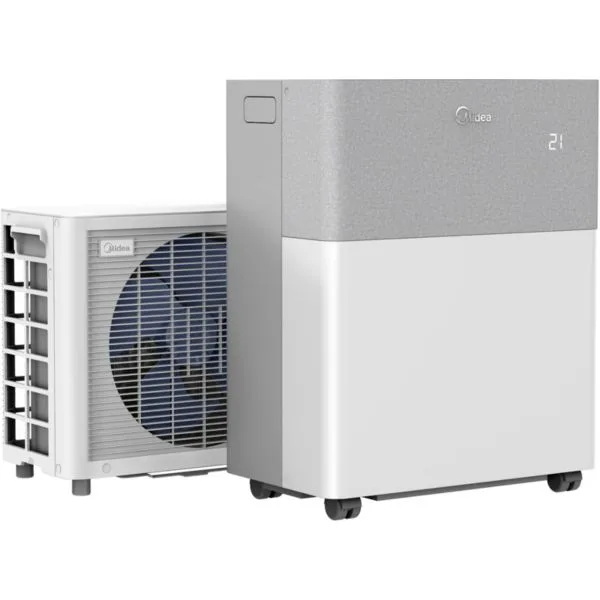
Midea
Portable split
2 stores in stock
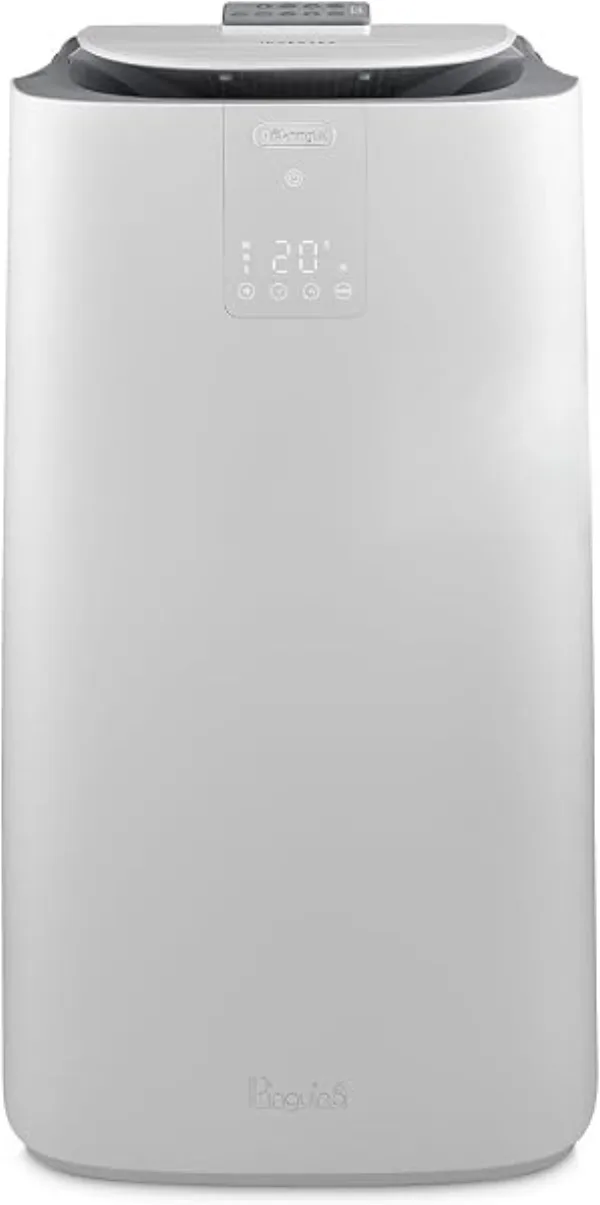
De'Longhi
Portable monoblock
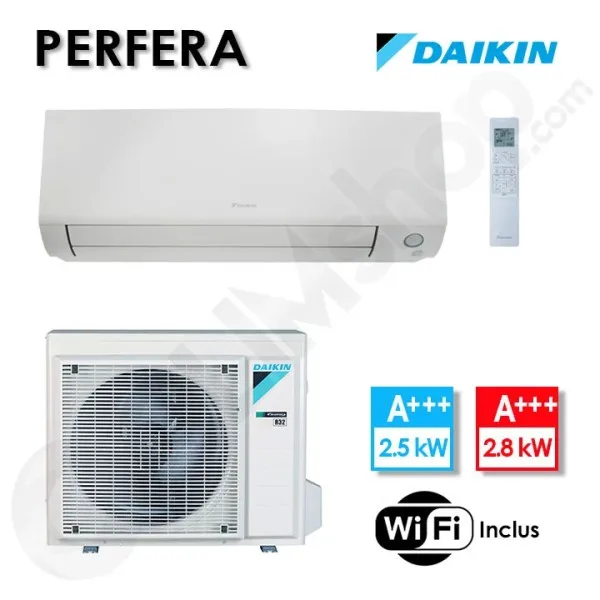
Daikin
Fixed split (with installation)
Four criteria are enough to rule out most poor purchases. For each criterion, a detailed guide goes further.
A monoblock fits in a single unit: it plugs in and works straight away, but heat is expelled through a duct passed through a slightly open window — some of the hot air returns to the room, limiting real-world efficiency. A mobile split separates the compressor (outside) from the air distribution (inside): more efficient and quieter on the room side, with only slightly more demanding installation.
Monoblock or mobile split: the detailed comparisonCooling capacity is measured in BTU/h. The ADEME method uses approximately 80 BTU/h per m² under a standard ceiling height — that is ~8,000 BTU for a room of 20 to 25 m² and ~12,000 BTU up to 30-35 m² — to be revised upward for a very glazed room, south-facing exposure, or a room under the roof. Each catalogue entry shows the maximum surface area recommended by the manufacturer, and the product pages include a calculator based on this same method.
How to choose a mobile air conditioner: the complete guideTwo figures coexist: sound pressure — what you hear from a few metres away, in dB(A) — and the sound power level on the energy label, which is higher by design. Always compare the same quantity: the catalogue displays sound pressure at the quietest setting, the measure closest to the night-time experience. Mobile splits retain a structural advantage, since the compressor — the main source of noise — stays outside.
In a rental, a co-owned building, or where no façade is available, a fixed split is often impossible: the outdoor unit and drilling require authorisations. Mobile splits with no installation — including the Midea PortaSplit — work around the problem: the outdoor unit rests on a balcony or is suspended without drilling. This is the segment ClimRadar tracks as a priority, and the one most affected by summer stock shortages.
Air conditioner without exhaust duct or outdoor unit: the guide